As a supplier of 3-Phase Stabilizers, I often encounter inquiries from customers about the compatibility of 3-phase stabilizers with generators. This is a crucial question, especially in areas where power supply is erratic, or for industries that rely heavily on a stable power source. In this blog post, I will delve into the technical aspects to determine whether a 3-phase stabilizer can be used with generators and provide comprehensive insights for potential users. 3 Phase Stabilizer
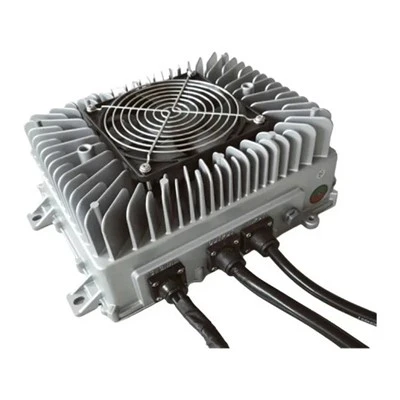
Understanding 3-Phase Stabilizers
Before we discuss the compatibility, it’s essential to understand what a 3-phase stabilizer is. A 3-phase stabilizer is an electrical device designed to maintain a constant voltage level in a three-phase electrical system. It monitors the incoming voltage and compensates for any fluctuations by either increasing or decreasing the voltage as needed. This functionality is particularly important for industrial applications, where sensitive equipment can be damaged by voltage variations. Three – phase stabilizers use various technologies such as electromechanical relays, servo – motors, or solid – state components to achieve voltage regulation.
The Nature of Generators
Generators are devices that convert mechanical energy into electrical energy. They can run on different fuels such as diesel, gasoline, or natural gas. Generators provide an independent source of power, which is vital in situations where the grid power is unavailable or unreliable. The output voltage of a generator can vary depending on factors such as the load connected to it, the speed of the prime mover (e.g., an engine), and the condition of the generator’s internal components. When the load on a generator changes, the voltage output can fluctuate, which may not be suitable for some electrical equipment.
Compatibility Considerations
So, can a 3 – phase stabilizer be used with generators? The answer is yes, but with several important considerations.
Voltage Rating
The first and most crucial factor is the voltage rating. The 3 – phase stabilizer must have a voltage rating that is compatible with the output voltage of the generator. Most generators have standard output voltages, such as 400V or 230V in a three – phase system. The stabilizer should be rated to handle the specific voltage range of the generator. For example, if a generator has an output voltage of 400V ± 10%, the stabilizer should be able to accept an input voltage within this range and still provide a stable output voltage.
Capacity and Loading
The capacity of the 3 – phase stabilizer and the load connected to the generator must be carefully matched. The stabilizer’s capacity is usually measured in kilovolt – amperes (kVA). If the load on the generator exceeds the capacity of the stabilizer, the stabilizer may not be able to regulate the voltage effectively. On the other hand, if the stabilizer’s capacity is much larger than the actual load, it may lead to inefficiencies and increased energy consumption. For instance, a generator supplying power to a factory with multiple machines will have a different load profile compared to a small generator powering a single residential unit.
Frequency Compatibility
Generators produce electrical power at a specific frequency, typically 50Hz or 60Hz, depending on the region. The 3 – phase stabilizer must be designed to work with the frequency of the generator. Most stabilizers are designed to operate within a certain frequency range, and using a stabilizer outside of its specified frequency can lead to improper voltage regulation and potential damage to the stabilizer or the connected equipment.
Generator Type
The type of generator also plays a role in the compatibility. There are different types of generators, such as synchronous generators and asynchronous generators. Synchronous generators are more commonly used in industrial applications and have a more stable output frequency and voltage. Asynchronous generators, on the other hand, are often used in small – scale applications and may have more variable output characteristics. The 3 – phase stabilizer may need to be adjusted or selected based on the type of generator to ensure optimal performance.
Benefits of Using 3 – Phase Stabilizers with Generators
When the compatibility issues are properly addressed, using a 3 – phase stabilizer with a generator offers several benefits.
Equipment Protection
One of the primary benefits is the protection of electrical equipment. Many industrial machines, computers, and other sensitive devices are designed to operate within a specific voltage range. Voltage fluctuations from a generator can cause premature wear and tear, malfunctions, or even permanent damage to these devices. A 3 – phase stabilizer ensures that the equipment receives a stable voltage, thereby extending its lifespan and reducing maintenance costs.
Improved Performance
Stable voltage supply also improves the performance of electrical equipment. For example, motors in industrial machinery will run more efficiently and quietly when supplied with a constant voltage. This leads to increased productivity and better quality of products in manufacturing processes.
Energy Efficiency
A 3 – phase stabilizer can contribute to energy efficiency. By maintaining a stable voltage, it reduces the power waste that occurs due to over – voltage or under – voltage situations. This not only saves on energy costs but also has a positive environmental impact.
Installation and Maintenance
Proper installation and maintenance are essential when using a 3 – phase stabilizer with a generator. During installation, it is crucial to follow the manufacturer’s instructions carefully. The stabilizer should be installed in a well – ventilated area, away from moisture and heat sources. The electrical connections must be secure to prevent any short circuits or power losses.
Regular maintenance includes checking the stabilizer for any signs of wear, such as loose connections, damaged components, or overheating. The voltage output should be monitored periodically to ensure that it remains within the desired range. Additionally, the generator itself should be maintained according to the manufacturer’s recommendations to ensure its optimal performance.
Summarizing the Compatibility
In summary, a 3 – phase stabilizer can indeed be used with generators, but it requires careful consideration of voltage rating, capacity, frequency, and generator type. When these factors are properly addressed, the combination of a 3 – phase stabilizer and a generator can provide a reliable and stable power supply for various applications.
If you are looking for a high – quality 3 – phase stabilizer for your generator or have any questions about the compatibility, feel free to reach out. Our team of experts is ready to assist you in selecting the right product for your specific needs. We can provide detailed technical information, installation guidance, and after – sales support to ensure that you get the most out of your power system.
3 Phase Stabilizer To start discussing your procurement needs, please get in touch with our sales team. We are eager to help you find the perfect 3 – phase stabilizer solution for your generator setup.
References
- Electrical Engineering Handbook, CRC Press
- Handbook of Power Quality, McGraw – Hill
- Technical documents from various 3 – phase stabilizer and generator manufacturers.
Huizhou Qiangfeng Power Technology Co., Ltd.
Huizhou Qiangfeng Power Technology Co., Ltd. is one of the most professional 3 phase stabilizer manufacturers and suppliers in China, featured by quality products and good service. We warmly welcome you to buy customized 3 phase stabilizer made in China here from our factory. If you have any enquiry about quotation and free sample, please feel free to email us.
Address: No. 28, Hu’ao Avenue, Shiwan Town, Boluo County, Huizhou City, Guangdong Province
E-mail: Komco@Jinlidianqi.cn
WebSite: https://www.autobatterychargers.com/
