Hey there! I’m a supplier of TG4 Seals, and I often get asked about what materials are used to make these seals. So, I thought I’d take a few minutes to break it down for you. TG4 Seal

First off, let’s talk about why the choice of materials is so important. A seal’s job is to prevent the leakage of fluids or gases between two surfaces. Depending on the application, the seal might have to withstand extreme temperatures, high pressures, harsh chemicals, or all of these at once. So, picking the right materials is crucial to ensure the seal will work effectively and last a long time.
Rubber Compounds
One of the most common materials used in TG4 Seals is rubber. Rubber has some great properties that make it ideal for sealing applications. It’s flexible, which means it can easily conform to the shape of the surfaces it’s sealing. This flexibility allows it to create a tight seal, preventing any leaks.
There are different types of rubber compounds that can be used, and the choice depends on the specific requirements of the application. For example, Nitrile Rubber (NBR) is a popular choice. It has excellent resistance to oil, fuel, and other petroleum-based products. So, if the TG4 Seal is going to be used in an automotive engine or a hydraulic system, NBR is a great option. It can handle the high temperatures and the presence of oils without degrading quickly.
Another type of rubber is Fluoroelastomer (FKM), often known by the brand name Viton. This stuff is amazing when it comes to resisting chemicals and high temperatures. It can withstand exposure to acids, solvents, and other aggressive chemicals, and it can operate in temperatures as high as 200°C (or even higher in some cases). So, if your application involves harsh chemical environments or high – heat processes, FKM might be the right material for your TG4 Seal.
Silicone rubber is also used in some TG4 Seals. It’s known for its excellent heat resistance and electrical insulation properties. It can work well in a wide temperature range, from very cold to quite hot. Silicone is often used in applications where food contact is involved, like in the food and beverage industry, because it’s non – toxic and meets the necessary safety standards.
PTFE (Polytetrafluoroethylene)
PTFE is another material that’s frequently used in TG4 Seals. You might know it by the brand name Teflon. PTFE has some unique properties that make it stand out. It has an extremely low coefficient of friction, which means it can slide easily against other surfaces. This is great for applications where the seal needs to move or where there’s a lot of friction.
It also has excellent chemical resistance. It can resist almost all chemicals, including strong acids and bases. This makes it a top choice for seals in chemical processing plants, where the seals are constantly exposed to aggressive substances. PTFE can also handle high temperatures, although its mechanical properties can start to degrade at very high temperatures.
However, PTFE on its own can be a bit soft and has poor creep resistance. To overcome these limitations, it’s often filled with other materials like glass fibers, carbon, or bronze. These fillers improve the mechanical strength and wear resistance of the PTFE, making it more suitable for demanding applications.
Metal
In some cases, metals are used in TG4 Seals. Stainless steel is a common choice. It’s strong, durable, and has good corrosion resistance. Metal seals are often used in applications where high pressures are involved, such as in oil and gas pipelines or high – pressure hydraulic systems.
Metal seals can be made in different shapes, like O – rings or gaskets. They can provide a very tight seal, especially when they’re properly machined to fit the surfaces precisely. The mating surfaces might need to be highly polished to ensure an effective seal with metal components.
Another advantage of metal seals is their ability to withstand high temperatures without deforming or losing their sealing properties. This makes them suitable for applications in power plants, aerospace, and other industries where high – temperature operations are the norm.
Composite Materials
Composite materials are also becoming more popular in the manufacture of TG4 Seals. These materials combine the properties of two or more different materials to create a seal that has the best of both worlds.
For example, a rubber – metal composite might consist of a rubber layer bonded to a metal core. The rubber provides the flexibility and sealing ability, while the metal core adds strength and stability. This type of composite is often used in applications where there’s a need for both a good seal and the ability to handle mechanical stresses.
Another type of composite is a fiber – reinforced polymer. In this case, fibers like carbon fibers or glass fibers are embedded in a polymer matrix. The fibers provide strength and stiffness, while the polymer matrix gives the seal its sealing properties and flexibility. These composites can be tailored to meet specific requirements, such as high strength – to – weight ratios or enhanced chemical resistance.
How We Choose Materials for Our TG4 Seals
As a supplier, we take a very careful approach when it comes to choosing the materials for our TG4 Seals. First, we talk to our customers to understand their specific needs. We ask about the operating conditions, such as the temperature range, pressure levels, and the type of fluids or gases that the seal will be in contact with.
We also consider the cost – effectiveness of the materials. We want to provide our customers with the best – performing seals at a reasonable price. Sometimes, a more expensive material might be necessary for a high – performance application, but in other cases, we can find a more affordable material that still meets the requirements.
We work with material suppliers who can provide us with high – quality raw materials. We test the materials thoroughly before using them in production. We check their physical and chemical properties to make sure they meet our standards. And we also do real – world testing to see how the seals perform in actual applications.
Conclusion
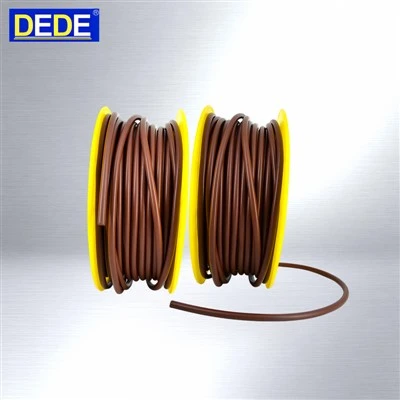
So, there you have it! The materials used to make TG4 Seals can vary widely, depending on the application. Rubber compounds, PTFE, metal, and composite materials all have their own unique properties and advantages. As a supplier, we’re constantly looking for new and better materials to improve the performance of our seals.
Washing Machine Seal If you’re in the market for TG4 Seals, or if you have any questions about our products, don’t hesitate to reach out to us. We’d love to discuss your requirements and see how we can help you find the perfect sealing solution for your application.
References
- "Handbook of Rubber Technology" by Jacob K. Gillham
- "PTFE and Perfluorinated Polymers" by Brian Love
- "Metals for High – Temperature Applications" by John F. Smith
DEDE SEAL Co., Ltd.
DEDE Seal Co., Ltd. is one of the most experienced tg4 seal manufacturers and suppliers in China for over 35 years, featured by quality products and good price. Please feel free to buy bulk customized tg4 seal made in China here from our factory. Welcome to contact us for pricelist.
Address: Hunan Road, Pudong New Area, Shanghai, China
E-mail: info@dedeseal.com
WebSite: https://www.dedesealing.com/
