If you’ve ever walked past a busy warehouse yard, a construction site loading heavy steel beams, or a lumber yard moving stacked pallets of raw wood, chances are you’ve seen a diesel forklift in action. As a diesel forklift supplier, I talk to warehouse managers, fleet operators, and small business owners every week who ask the same question: “Do I really need special training to run these things?” It’s a fair question—especially when you might see someone hop on a forklift and look like they’ve got it figured out in 10 minutes. But here’s the truth: diesel forklifts aren’t like the golf cart you used in college, and the training requirements for operating one are critical for safety, compliance, and keeping your operation running smoothly. Let’s break down what that training actually entails, why it’s non-negotiable, and what happens if you skip it. Diesel Forklift
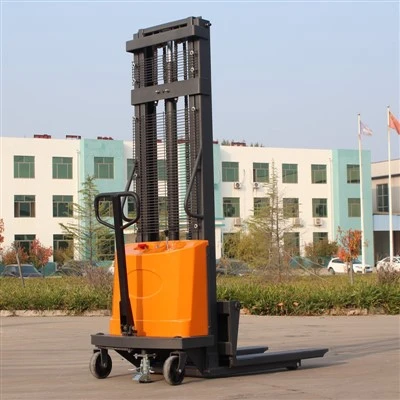
First, let’s get one thing straight: “operating a diesel forklift” isn’t a single skill. A diesel forklift is a powered industrial truck (PIT) with unique characteristics that set it apart from electric models, manual pallet jacks, or any other material handling equipment. Unlike electric forklifts, which are quieter, produce zero on-site emissions, and have lower horsepower, diesel forklifts are built for heavy-duty work. They have higher load capacities (some can lift 100,000+ pounds, though most common models for warehouses cap at 5,000 to 15,000 pounds), they’re designed for rough outdoor terrain, and they run on diesel fuel, which means they have different engine mechanics, exhaust systems, and refueling protocols. That means the training for a diesel forklift isn’t just general PIT training—it has specific modules tailored to diesel’s unique properties.
Now, the legal part. In the U.S., the Occupational Safety and Health Administration (OSHA) is the governing body that sets standards for forklift training, and it’s non-negotiable for any business that uses forklifts, diesel or otherwise. OSHA’s standard 29 CFR 1910.178 says that no one can operate a forklift unless they’ve completed “formal training, a practical demonstration of operating the truck, and an evaluation of the operator’s performance in the workplace.” This applies to every operator, full-time or part-time, temporary or seasonal, even if they’ve operated a forklift before in another job. And here’s a key detail: OSHA doesn’t just accept any training—it requires the training to be specific to the type of forklift the operator will use. So if your team is running diesel forklifts, the training can’t be just a general forklift course; it has to cover diesel-specific content.
What does that diesel-specific training include? Let’s start with the basics that apply to all forklifts, but then get into the stuff only diesel models need. General PIT training covers things like load capacity charts, how to navigate tight spaces, load securing, and pedestrian awareness. For diesel forklifts, you add modules like diesel engine safety: knowing how to check oil levels, coolant, and fuel without making mistakes that can cause fires (diesel fuel is less flammable than gasoline, but it still requires proper handling—spilling it on hot engine parts is a huge risk). You also have training on exhaust systems: diesel engines produce carbon monoxide, particulate matter, and nitrogen oxides, so operators need to know how to work in enclosed spaces (like a warehouse with poor ventilation) without risking exposure, and how to spot leaks in the exhaust system that could be dangerous. That’s a big one—electric forklifts don’t have exhaust systems, so that’s a module you never see in electric-only training.
Another critical diesel-specific skill: refueling. Refueling a diesel forklift isn’t as simple as pumping gas into a car. You have to turn off the engine, ground the nozzle to prevent static electricity (a spark from static can ignite diesel fumes), and make sure the area is well-ventilated. Some businesses also need training on handling diesel fuel storage tanks, which is a whole other layer of safety. I’ve seen operators who were trained only on electric forklifts make the mistake of leaving their diesel engine running while refueling— that’s a costly mistake, and it’s exactly why diesel-specific training is required.
Then there’s the practical evaluation part of OSHA’s rule. This isn’t a written test you cram for and forget. The practical evaluation is where an experienced trainer watches the operator do real tasks: lift a load to the correct height, navigate a ramp (diesel forklifts handle weight differently on slopes than electric models), park the unit properly, and handle a small emergency, like a load that’s shifting. For diesel forklifts, the practical evaluation might also include checking the engine before a shift (the pre-use inspection OSHA requires every day) to spot issues like a loose exhaust clamp, a leaky fuel line, or low hydraulic fluid levels—problems that can cause breakdowns or accidents if caught late.
But OSHA isn’t the only reason to get trained. As a forklift supplier, I’ve seen the consequences of untrained operators firsthand. Last year, we worked with a small construction company that bought three diesel forklifts for their lumber yard. They hired a guy who said he “knew how to run a forklift” from a summer job at a grocery store that used electric models. Three weeks later, he tipped a 12,000-pound diesel forklift while trying to turn too fast with a load of stacked 10-foot 2x4s. The forklift was totaled, the lumber was destroyed, and no one was hurt—luckily—but the business had to pay for a new unit, lost three days of work, and got a $13,000 OSHA fine for operating untrained equipment. That’s not an anomaly. OSHA reports that forklift accidents cause around 100 deaths and 20,000 serious injuries every year, and 25% of those accidents involve untrained operators.
Another thing most people don’t talk about: diesel forklifts have different handling characteristics than electric models. Electric forklifts have smooth, quiet acceleration and lower center of gravity because their batteries are at the base of the unit. Diesel forklifts have a heavier engine up front, so they handle differently when turning, braking, or lifting heavy loads. A diesel forklift will take longer to stop, and if you take a turn too fast with a full load, the weight of the engine and the load can make it tip over much faster than an electric model. Training teaches operators how to adjust their speed and handling for that weight difference, which is critical for any outdoor operation where you might be working on uneven ground or loose gravel.
What about refresher training? OSHA also requires that operators get refresher training every three years, and sooner if there’s an accident, a near-miss, a change in the type of forklift they’re using, or if management notices the operator isn’t working safely. For diesel forklift operators, refresher training is especially important because diesel engines and safety protocols can change as new models come out. For example, newer diesel forklifts have diesel particulate filters (DPFs) that require specific maintenance—if an operator doesn’t know how to properly idle the unit to regenerate the DPF, the filter can get clogged, which hurts performance and increases emissions. That’s a skill most people wouldn’t learn from a generic online course; it needs to be part of the diesel-specific training.
Now, let’s address a common myth: “I can just get online training for diesel forklifts, right?” OSHA allows some online coursework as part of training, but it can’t replace the hands-on practical evaluation. And even if you take online courses, you still need a qualified trainer to confirm that you can actually operate the diesel forklift safely in your specific work environment. A lot of generic online training courses don’t cover site-specific risks—like if your warehouse has very high ceilings, or your job site has mud pits, or you work in cold weather that can make diesel fuel gel. Those are details a good diesel forklift training program will tailor to your operation.
As a supplier, I also recommend that our customers take additional industry-specific training beyond OSHA’s minimum requirements. For example, if you’re in the food and beverage industry, you might need training on how to operate diesel forklifts in areas where food is stored, to avoid contaminating products with diesel fumes or spills. If you work in the steel industry, you’ll need training on handling very heavy loads and operating diesel forklifts in outdoor, high-traffic construction zones. These extra modules aren’t required by OSHA, but they can save you from accidents, product damage, and compliance issues with other regulators.
Let’s also talk about who qualifies to be a trainer. OSHA says a qualified trainer is someone with the knowledge, training, and experience to teach forklift operation—specifically, knowledge of diesel forklift mechanics, safety protocols, and the work environment the operators will be in. A lot of businesses make the mistake of asking a senior operator to train new hires, but that’s not enough. The senior operator might be great at their job, but they might not know all the latest OSHA rules, or the specific risks of diesel forklifts. A good third-party trainer who specializes in material handling equipment, especially diesel models, will stay up to date on all the latest regulations and industry best practices, so you know your training is compliant.
So, to circle back to the original question: are there training requirements to operate a diesel forklift? The short answer is yes, and they’re not optional. They’re required by federal law, they keep your operators safe, they protect your business from costly fines and accidents, and they help your operation run more efficiently. I’ve seen firsthand how a well-trained team of diesel forklift operators can move twice as much product in a shift, with zero accidents, compared to a team that’s been trained on the fly. Diesel forklifts are powerful, versatile machines that can handle work electric models can’t— but that power comes with responsibility, and training is the first step to using that power safely.
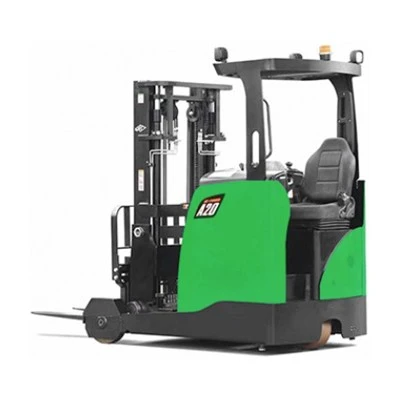
If you’re a business owner, fleet manager, or operations lead looking to make sure your team is trained to operate diesel forklifts safely and compliantly, or if you’re in the market for reliable diesel forklifts tailored to your work environment, we’re here to help. We work with businesses across industries to connect them with qualified diesel forklift trainers, and we provide expert guidance on choosing the right diesel forklift models for your operation. Don’t leave your team’s safety or your business’s success to chance—reach out to us to discuss your needs and find the right solution for your material handling goals.
Electric Forklift References
Occupational Safety and Health Administration. (2024). 29 CFR 1910.178 – Powered industrial trucks.
National Institute for Occupational Safety and Health. (2023). Forklift Safety: A Guide for Employers and Workers.
Material Handling Industry Association. (2022). Diesel Forklift Operations: Best Practices for Safety and Compliance.
U.S. Department of Labor. (2024). OSHA Inspection Results for Forklift Violations.
Qingdao Dawnshine Heavy Industry Co., Ltd.
As one of the most professional diesel forklift manufacturers and suppliers in China, we have world-leading production equipment and strong manufacturing capabilities. Welcome to wholesale discount diesel forklift in stock here and get quotation from our factory. For price consultation, contact us.
Address: South Side of Qiwang Road, Yueshan Village, Naoshan Economic Development Zone, Qingzhou City, Shandong Province, China
E-mail: laven.wang@china-dawnshine.com
WebSite: https://www.ds-forklift.com/
