If you’ve ever walked through a textile production facility, a giftware workshop, or even a label printing plant, chances are you’ve spotted a rotary screen printing machine hard at work. These workhorses are the backbone of high-volume, precise printing, turning blank fabrics, packaging materials, or labels into finished goods that reach shelves and customers every day. As a rotary screen printing machine supplier, I work alongside hundreds of production teams, and one question comes up more often than any other when they’re setting up or upgrading their operations: “What do I need to get right when it comes to waste management with this equipment?” Rotary Screen Printing Machine
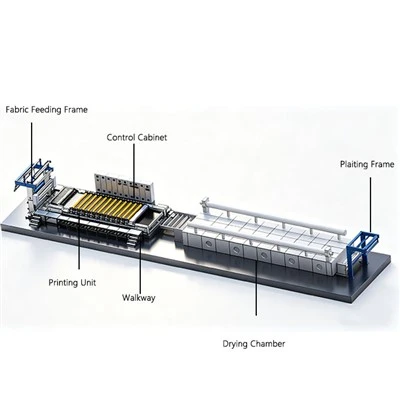
It’s not a trivial question. Rotary screen printing relies on inks, solvents, and cleaning agents, all of which can create waste that’s messy, costly, and even risky if not handled properly. For small to mid-sized operations, waste mismanagement can mean unexpected disposal fees, production delays, or even safety violations. For larger facilities, it can cut into profit margins or harm their compliance records. Over the past 12 years, as I’ve helped businesses of all sizes select, install, and maintain their rotary screen printing machines, I’ve learned that effective waste management isn’t just a box to check—it’s a core part of running a sustainable, profitable printing line. Let’s break down exactly what requirements you need to follow, no matter your operation’s size.
First, let’s start with the most immediate waste stream every rotary screen printing machine generates: cleaning waste. Unlike flatbed screen printing, which uses individual screens cleaned manually between jobs, rotary machines clean large, cylindrical screens, ink pans, doctor blades, and automatic feeding systems on a set schedule—usually between job runs, at the end of a shift, or when switching ink colors. That cleaning step is where the most waste is created, because it’s the only time you’re removing leftover ink from parts before it dries.
Here’s what you need to know about managing that cleaning waste. Most rotary screen printing operations use water-based or solvent-based inks, and the cleaning agents you choose will dictate your waste handling rules. If you’re using water-based inks (which are more common in textile printing, especially for apparel), the cleaning waste will be water mixed with ink residue. For this, requirements typically include storing that contaminated water in sealed, labeled containers—not just pouring it down drains or into regular trash cans. Many municipal water treatment facilities won’t accept water with suspended ink solids or dye residues, and dumping it illegally can lead to heavy fines. For these streams, you’ll need to partner with a local hazardous waste hauler (even if the waste isn’t classified as highly hazardous, many regions have specific rules for industrial wastewater) to arrange regular pickup, usually every 30 to 90 days depending on your volume.
For operations using solvent-based inks (common for hard substrates like plastic, metal, or glass labels), the cleaning waste is far more hazardous. Solvents like isopropyl alcohol, ethyl acetate, or mineral spirits are volatile organic compounds (VOCs) that pose fire risks, toxic fume hazards, and require special disposal. For this waste, your requirements go beyond storage: you need to use fire-resistant, vented storage cabinets for used solvent containers, and never mix different solvent types (that can create chemical reactions). Most regulatory bodies (like the EPA in the U.S., REACH in the EU) require that used solvent waste is labeled with its contents, origin, and hazard class before being picked up by a licensed hazardous waste disposal provider. I always advise my clients to keep detailed logs of every waste pickup and disposal—even if a hauler says they handle all the paperwork, it’s your operation’s responsibility to prove compliance during audits.
Next up: screen and printing material waste. Rotary screen printing uses polyester screens stretched over cylindrical frames, designed to print thousands or even millions of impressions before they wear out. Over time, screens develop pinholes, stretched mesh, or ink buildup that makes them unusable. Similarly, you’ll have waste from misprints, off-spec materials, or leftover roll stock that can’t be used for customer orders.
Managing screen waste is trickier than it sounds. Old polyester screens are made of synthetic fibers that don’t biodegrade easily, and if they’ve had ink or solvent residue on them, they might be classified as solid hazardous waste in some regions. The first requirement here is to clean screens properly before disposal—many operations send old screens through a deep cleaning cycle in a solvent bath to remove most ink residue, but even then, you’ll need to check local rules about whether they can go to a general landfill, or need to be sent to a specialized recycler. Some regions have textile and plastic recycling programs that accept clean polyester, but for screens with remaining residue, you’ll need to use a waste hauler that handles industrial textile waste. For printing material waste, like misprinted fabric or label stock, the key is to separate it by material type. Paper labels can be recycled, but coated paper or plastic labels can’t, and fabric waste might be eligible for textile recycling programs if it’s not contaminated with ink. I always tell clients to set up dedicated waste bins for each material stream right next to their rotary machine—color-coded, clearly labeled—to avoid cross-contamination that makes recycling impossible.
Another waste stream that’s easy to overlook: chemical and packaging waste. Every time you order ink, solvent, or replacement parts for your rotary screen printing machine, you get containers, boxes, and packaging materials that end up as waste. Empty ink containers, especially those used for solvent-based inks, can still have residual ink or solvent that makes them hazardous, so you can’t just toss them in the recycling bin. The same rules apply as for other hazardous waste: empty containers need to be triple-rinsed (a process where you rinse them three times with solvent or water, using the rinse fluid as part of your cleaning waste stream), labeled, and picked up by a licensed provider. Some ink manufacturers take back their empty containers for recycling, so that’s always a good first step when you order new ink—ask your supplier if they offer a take-back program. For general packaging waste, like cardboard boxes or plastic wrapping, set up separate bins and work with a local recycling company to pick them up regularly. This stream might seem small, but over a year, it can add up to thousands of pounds of waste that would otherwise end up in a landfill.
Now, let’s talk about operational requirements that tie directly to waste management—because even if you have the right storage and disposal in place, poor machine operation can create more waste than necessary. As a rotary screen printing machine supplier, I often see operations creating excess waste because they’re using too much ink or solvent during cleaning, or not calibrating their machines correctly. The first operational requirement here is to calibrate your rotary screen printing machine to reduce over-application of ink. When the doctor blade (the part that presses ink through the screen) is set too tight, it uses more ink than needed, leading to excess ink that has to be cleaned away. When it’s set too loose, it causes misprints that add to material waste. Proper calibration—something our technical team does for every machine we install—cuts cleaning waste by up to 20% and reduces misprint waste by 15% on average.
Another big one is schedule-driven cleaning. Many new operators clean their screens only when they’re visibly dirty, which leads to ink drying and becoming impossible to remove without harsher, more solvent-heavy cleaners. We recommend a strict cleaning schedule: after every job run, regardless of how small, give the screen a quick clean to remove all wet ink. At the end of each shift, do a deeper clean of the ink pan, doctor blades, and feed system. This not only reduces the amount of cleaning agents needed, but also extends the life of your screens and machine parts, cutting down on replacement parts waste. I always provide our clients with a printable cleaning schedule tailored to their specific rotary screen printing model—it’s a small step that makes a huge difference in waste reduction.
Then there’s safety, which is non-negotiable. Rotary screen printing machines work with flammable solvents and hazardous inks, so waste storage and handling needs to follow OSHA standards (in the U.S.) or equivalent regulations globally. That means no open containers of solvent near the machine, proper ventilation in the printing area to prevent fume buildup, and fire extinguishers rated for chemical fires nearby. Many operations overlook this, but not only is it a safety risk—it can lead to fines if inspectors find improper waste storage. We train every operator who works on a machine we supply on basic safety and waste handling, because preventing accidents is just as important as managing waste.
Let’s also touch on compliance, because this is where many operations get into trouble. Different regions have different rules, and they’re only getting stricter. In the EU, for example, REACH regulations limit the amount of certain hazardous substances in printing inks, and require proper documentation for all waste streams. In the U.S., the EPA’s Resource Conservation and Recovery Act (RCRA) sets rules for hazardous waste storage, transport, and disposal. Small operations often assume they’re too small to be affected, but even facilities generating less than 100 kilograms of hazardous waste a month have to follow these rules. For rotary screen printing operators, the best way to stay compliant is to keep detailed records: every cleaning waste pickup, every screen disposal, every ink container returned for recycling. Many of our clients use digital logbooks we provide, which automatically track waste volumes and pickup dates, making audits simple and stress-free.
Now, here’s the thing: effective waste management for rotary screen printing isn’t just about following rules—it’s about saving money. I’ve seen clients cut their waste disposal costs by 30% just by switching to water-based inks where possible, and another 20% by optimizing their cleaning schedules. For a mid-sized operation running two rotary machines, that can add up to $10,000 or more a year in savings. It also boosts sustainability credentials, which is a big selling point for customers, especially in apparel, giftware, and eco-friendly packaging markets. More and more brands are requiring their suppliers to show proof of responsible waste handling, so getting this right isn’t just a cost saver—it’s a competitive advantage.
If you’re running a rotary screen printing line, or planning to invest in one, don’t wait until you’re drowning in waste to get these requirements in place. Work with a supplier that not only sells you a machine, but also provides the support and guidance you need to manage waste properly. That means access to technical training, customizable cleaning schedules, information about local waste haulers, and help staying compliant with regional regulations. As a supplier, that’s what we prioritize—our job isn’t just to deliver a machine, it’s to make sure your operation runs smoothly, safely, and profitably for years.

If you’re looking to upgrade your rotary screen printing line, or have questions about waste management requirements specific to your operation, we’re here to help. Get in touch to learn more about how we can support your printing needs, from machine selection to waste management best practices.
Textile Digital Printing Machine References:
- U.S. Environmental Protection Agency. (2022). “Hazardous Waste Management Guidelines for Small Industrial Facilities.” EPA 530-R-22-004.
- European Chemicals Agency. (2023). “REACH Regulation for Printing Inks and Associated Waste.” ECHA-19-N-05-E.
- Textile Institute. (2021). “Sustainable Practices in Rotary Screen Printing for Apparel and Home Goods.” Textile Industry Report Series, No. 12.
- Occupational Safety and Health Administration. (2020). “Workplace Safety for Printing Operations Using Solvents.” OSHA 3645-08R.
- Sustainable Packaging Coalition. (2022). “Waste Management Best Practices for Label and Packaging Printing Facilities.” Best Practices Guide, Version 2.0.
Degao Machinery
As one of the most professional rotary screen printing machine manufacturers and suppliers in China, we offer a wide range of products with superior quality. Welcome to buy premium rotary screen printing machine made in China here and get pricelist from our factory. Good service and reasonable price are available.
Address: No. 29, Jingxia Road, Gaoling District, Xi’an City, Shaanxi Province, China
E-mail: master@xadegao.com
WebSite: https://www.textileprintingmachines.com/
