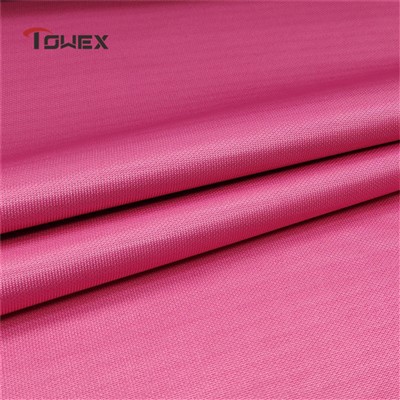
As a supplier of stab-resistant fabric, I often encounter inquiries about the various properties of our products. One question that has recently come up more frequently is whether stab-resistant fabric has any biocompatible properties. In this blog post, I’ll delve into this topic, exploring the science behind stab-resistant fabric and its potential biocompatibility. Stab Resistant Fabric
Understanding Stab-Resistant Fabric
Before we discuss biocompatibility, it’s essential to understand what stab-resistant fabric is and how it works. Stab-resistant fabrics are designed to protect against stabbing and slashing attacks. They are typically made from high-strength fibers such as aramid (e.g., Kevlar), ultra-high-molecular-weight polyethylene (UHMWPE), or a combination of different materials.
These fibers are woven or knitted together in a specific pattern to create a dense and strong fabric. When a sharp object like a knife or a needle comes into contact with the fabric, the fibers distribute the force of the impact over a larger area, preventing the object from penetrating through. This mechanism not only provides protection but also reduces the risk of injury to the wearer.
Biocompatibility: What Does It Mean?
Biocompatibility refers to the ability of a material to interact with living tissues in a way that is non-toxic, non-irritating, and does not cause an immune response. In the context of stab-resistant fabric, biocompatibility is crucial, especially when the fabric is used in applications where it comes into direct contact with the skin, such as in body armor for law enforcement officers or security personnel.
There are several factors to consider when evaluating the biocompatibility of a material:
- Chemical Composition: The chemical makeup of the fabric plays a significant role in its biocompatibility. Some materials may contain chemicals that can cause skin irritation or allergic reactions. For example, certain dyes or finishes used in the manufacturing process could potentially be harmful to the skin.
- Surface Properties: The surface characteristics of the fabric, such as its smoothness and texture, can also affect its biocompatibility. A rough or abrasive surface may cause friction and irritation when in contact with the skin.
- Breathability: A breathable fabric allows air and moisture to pass through, which helps to keep the skin dry and comfortable. Poor breathability can lead to skin problems such as sweating, itching, and the growth of bacteria.
Biocompatibility of Stab-Resistant Fabrics
Now, let’s examine whether stab-resistant fabrics have any biocompatible properties.
- Material Selection: Many stab-resistant fabrics are made from materials that are inherently biocompatible. For example, aramid fibers like Kevlar are known for their high strength and chemical stability. They are generally considered safe for use in contact with the skin and do not cause significant irritation or allergic reactions. UHMWPE is another commonly used material in stab-resistant fabrics. It is a non-toxic and chemically inert polymer, which means it is unlikely to cause any adverse effects when in contact with living tissues.
- Manufacturing Processes: The manufacturing processes used to produce stab-resistant fabrics can also impact their biocompatibility. For instance, if the fabric is treated with harsh chemicals during the production process, it may reduce its biocompatibility. However, modern manufacturing techniques often involve using environmentally friendly and skin-friendly chemicals to ensure the fabric is safe for use.
- Testing and Certification: To ensure the biocompatibility of stab-resistant fabrics, many manufacturers conduct rigorous testing. These tests may include skin irritation tests, cytotoxicity tests, and sensitization tests. Fabrics that meet the relevant biocompatibility standards are often certified by independent organizations, providing assurance to customers that the product is safe for use.
Applications and Biocompatibility
The biocompatibility of stab-resistant fabric is particularly important in certain applications:
- Body Armor: Law enforcement officers, security guards, and military personnel often wear body armor made from stab-resistant fabric. Since this armor is in direct contact with the skin for extended periods, it is crucial that the fabric is biocompatible to prevent skin problems and discomfort.
- Medical Applications: In some medical settings, stab-resistant fabric may be used in protective clothing for healthcare workers. Biocompatibility is essential in these applications to ensure the safety and well-being of the wearer.
- Personal Protection: For individuals who use stab-resistant fabric for personal protection, such as in self-defense vests, biocompatibility is also a key consideration. A comfortable and non-irritating fabric is more likely to be worn regularly, providing continuous protection.
Benefits of Biocompatible Stab-Resistant Fabric
There are several benefits to using biocompatible stab-resistant fabric:
- Enhanced Comfort: Biocompatible fabrics are more comfortable to wear, reducing the risk of skin irritation and discomfort. This is especially important for individuals who need to wear the fabric for long periods.
- Improved Health and Safety: By using biocompatible materials, the risk of skin problems and allergic reactions is minimized, promoting the health and safety of the wearer.
- Increased Compliance: When the fabric is comfortable and non-irritating, individuals are more likely to wear it consistently, ensuring continuous protection.
Conclusion
In conclusion, many stab-resistant fabrics do have biocompatible properties. The materials used in these fabrics, such as aramid and UHMWPE, are generally safe for use in contact with the skin. Additionally, modern manufacturing processes and rigorous testing ensure that the fabric meets high standards of biocompatibility.
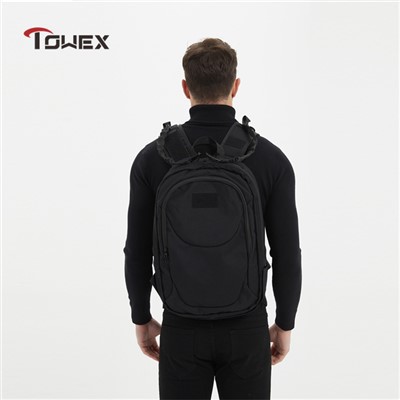
As a supplier of stab-resistant fabric, we are committed to providing high-quality products that not only offer excellent protection but also ensure the comfort and safety of the wearer. Our fabrics are carefully selected and tested to meet the strictest biocompatibility standards.
Cut Resistant Fabric If you are interested in purchasing stab-resistant fabric for your specific needs, whether it’s for body armor, medical applications, or personal protection, we would be more than happy to discuss your requirements. We can provide detailed information about our products, including their biocompatibility features, and help you choose the right fabric for your application.
References
- ASTM International. (20XX). Standard test methods for evaluating the biocompatibility of materials and medical devices.
- ISO 10993. (20XX). Biological evaluation of medical devices – Part X: Tests for irritation and skin sensitization.
- National Institute of Standards and Technology (NIST). (20XX). Guidelines for the development and evaluation of stab-resistant materials.
Jiaxing Towex New Materials Co., Ltd.
Jiaxing Towex New Materials Co., Ltd. is one of the most experienced stab resistant fabric manufacturers and suppliers in China, also supports customized service with low price. Please feel free to buy bulk high quality stab resistant fabric in stock here from our factory. Contact us for quotation.
Address: Building 1666, Wuzhen High-tech Zone, Tongxiang City, Zhejiang Province
E-mail: sales@towextech.com
WebSite: https://www.topuhmwpe.com/
