Hey there! I’m a supplier of water quality analyzers, and today I wanna chat about whether a water quality analyzer can be used in low-temperature environments. This is a question I get asked a lot by customers, especially those in colder regions or industries that operate in chilly conditions. So, let’s dive right in and explore this topic. Water Quality Analyzer
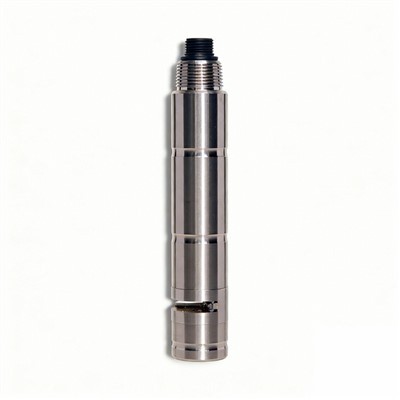
How Water Quality Analyzers Work
First off, let me give you a quick rundown on how water quality analyzers work. These nifty devices are designed to measure various parameters in water, like pH, dissolved oxygen, turbidity, and the concentration of different chemicals. They use different technologies, such as sensors, electrodes, and optical methods, to detect and quantify these substances.
For example, a pH sensor measures the acidity or alkalinity of water by detecting the concentration of hydrogen ions. A dissolved oxygen sensor, on the other hand, uses an electrochemical reaction to measure the amount of oxygen dissolved in the water. These sensors are usually pretty sensitive and need to be calibrated regularly to ensure accurate readings.
Challenges of Low-Temperature Environments
Now, let’s talk about the challenges that low temperatures pose to water quality analyzers. One of the biggest issues is the effect of temperature on the chemical reactions that the sensors rely on. Many of these reactions are temperature-dependent, which means that changes in temperature can affect the accuracy of the measurements.
For instance, the voltage output of a pH electrode is directly related to the temperature of the solution. If the temperature drops, the voltage output will also change, leading to inaccurate pH readings. Similarly, the solubility of oxygen in water decreases as the temperature drops, which can affect the accuracy of dissolved oxygen sensors.
Another challenge is the freezing of water in the analyzer’s components. If water freezes inside the sensor or the sample tubing, it can damage the equipment and prevent it from working properly. This is a particular problem for analyzers that are used outdoors or in unheated areas.
Low temperatures can also affect the performance of the analyzer’s electronics. Cold temperatures can cause the batteries to lose their charge more quickly, and the circuitry may become less responsive. This can lead to errors in the measurements or even cause the analyzer to malfunction.
Solutions for Using Water Quality Analyzers in Low-Temperature Environments
So, does this mean that water quality analyzers can’t be used in low-temperature environments? Not at all! There are several solutions that can help overcome these challenges and ensure accurate and reliable measurements.
One solution is to use temperature compensation. Most modern water quality analyzers come with built-in temperature sensors that can measure the temperature of the water and adjust the readings accordingly. This helps to eliminate the effects of temperature on the chemical reactions and ensures that the measurements are accurate over a wide range of temperatures.
Another solution is to use insulation and heating. If the analyzer is going to be used in a cold environment, it can be insulated to prevent heat loss. In some cases, heating elements can be added to the analyzer or the sample tubing to keep the water from freezing. This can help to protect the equipment and ensure that it continues to work properly.
It’s also important to choose the right water quality analyzer for the job. Some analyzers are designed specifically for use in low-temperature environments and are more resistant to the effects of cold. These analyzers may have features such as low-temperature batteries, ruggedized construction, and enhanced temperature compensation.
Real-World Examples
I’ve seen firsthand how these solutions can work in real-world situations. For example, one of my customers was a wastewater treatment plant in a cold climate. They were having problems with their water quality analyzer giving inaccurate readings during the winter months. After some investigation, we discovered that the temperature was affecting the performance of the sensors.
We recommended that they use a water quality analyzer with built-in temperature compensation and insulation. We also suggested that they add a heating element to the sample tubing to prevent the water from freezing. The customer followed our recommendations, and the problem was solved. The analyzer now gives accurate readings even in the coldest weather.
Another customer was a research laboratory that needed to measure the water quality in a remote lake during the winter. They were worried about the analyzer freezing and not working properly. We provided them with a ruggedized water quality analyzer that was designed for use in low-temperature environments. The analyzer had a built-in heater and was able to withstand the cold temperatures. The customer was able to collect accurate data from the lake, even in the harsh winter conditions.
Conclusion
In conclusion, a water quality analyzer can be used in low-temperature environments, but it’s important to take the necessary precautions to ensure accurate and reliable measurements. By using temperature compensation, insulation, heating, and choosing the right analyzer for the job, you can overcome the challenges posed by cold temperatures and get the data you need.
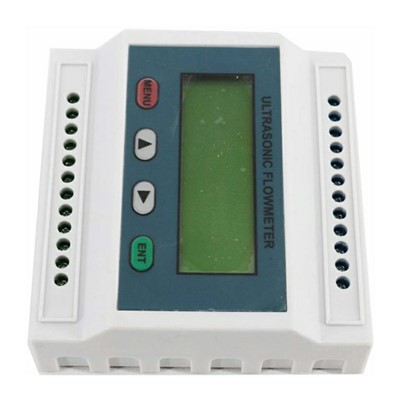
If you’re in the market for a water quality analyzer and need to use it in a low-temperature environment, I’d be happy to help you find the right solution. I’ve got a wide range of analyzers to choose from, and I can provide you with all the information and support you need to make an informed decision. Just reach out to me, and we can start a conversation about your specific needs.
Coriolis Mass Flow Meter Whether you’re a water treatment plant, a research laboratory, or an environmental monitoring agency, having accurate water quality data is crucial. And with the right water quality analyzer, you can get that data, even in the coldest conditions. So, don’t let the cold weather stop you from getting the information you need. Let’s work together to find the perfect solution for your water quality monitoring needs.
References
- "Water Quality Monitoring Instrumentation: Principles and Applications" by Larry K.weep
- "Environmental Instrumentation and Analysis Handbook" edited by Clifford A. Reible
Dalian Yheng Technology Co., Ltd.
Dalian Yheng Technology Co., Ltd. is one of the leading water quality analyzer manufacturers and suppliers in China, also supports customized service. We warmly welcome you to buy high quality water quality analyzer in stock here from our factory. Contact us for more details.
Address: F1605, NO.10 Huoju road, High-tech Industrial Zone, Dalian, China
E-mail: admin@dlyheng.com
WebSite: https://www.yhengphmeter.com/
