Let’s get one of the most frequent questions in my inbox sorted out once and for all—can you use a facial exfoliator with a moisturizing mask? As the owner of a facial exfoliator brand that’s spent years testing how different formulas play with each other (I’ve spilled more than one bottle of lactic acid testing this myself), I’ve seen people panic about over-exfoliating, or hoard masks and exfoliators like they’re separate, warring products. Spoiler: they don’t have to be. But there’s a right way and a very wrong way to mix them, and if you’re skipping that part, you’re either wasting your products or irritating your skin. Let’s break this down like we do in our in-house training sessions, no fancy jargon (well, the useful kind). Facial Exfoliators
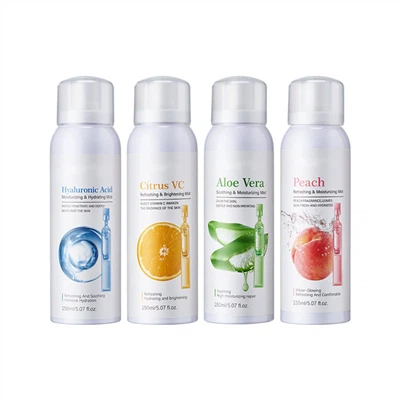
First, let’s get on the same page about what each product actually does, because that’s where the confusion starts. A facial exfoliator isn’t just a “scratchy stuff in a jar” to slough off dead skin—there are two main types, and they don’t work the same: physical exfoliants (think sugar crystals, jojoba beads) that manually buff away dead skin cells, and chemical exfoliants (like AHAs: glycolic, lactic acid; BHAs: salicylic acid) that dissolve the “glue” holding dead cells to your skin. My brand specializes in both, but our best-selling line leans into gentle, skin-friendly chemical exfoliants because we’ve seen time and time again that over-scrubbing with harsh physicals leads to more damage than good. Then there’s the moisturizing mask—this is your deep hydration hit, right? Whether it’s a gel mask packed with hyaluronic acid, a creamy one with ceramides, or a sheet mask with centella asiatica, its job is to deliver ingredients deep into the skin, lock in moisture, and calm whatever irritation might be present.
The short answer is: yes, you can use both, but the order and timing matter more than you think. That’s the part most skincare blogs get wrong—they’ll say “exfoliate once a week, mask another day” but skip how combining them works for different skin types. Let’s talk about skin types because that’s the biggest variable here. If you have oily or combination skin that’s prone to clogged pores, mixing exfoliant and mask (at the right time) is a game-changer. You exfoliate first to open up your pores (or dissolve the dead skin blocking them, if you’re using a BHA exfoliant), then the mask sinks in better to clear out any leftover gunk and add moisture. For dry skin? Be careful—dry skin’s outermost layer is already stripped of its natural oils, so over-exfoliating here can lead to tightness, flakiness, and even redness. That doesn’t mean you can’t do both, but you need to space them out, not layer them back-to-back. For sensitive skin? This is where people get into trouble—if you have eczema-prone or easily irritated skin, combining exfoliators (even gentle ones) with masks can wait until you test both products on a small patch of skin first, or you might end up with a rash.
Wait, let’s get into the timing part because this is where I’ve seen so many customers mess up. The worst thing you can do is slather an exfoliant all over your face, wait two minutes, then immediately put a moisturizing mask on top. That’s like cleaning a messy counter and immediately shoving a new pile of papers on top without wiping up the leftover crumbs. If you use a chemical exfoliant, you need to let your skin’s pH balance reset. Most exfoliators work at a slightly acidic pH, and your skin is naturally around 5.5. If you put a mask on right after, you might dilute the exfoliant’s active ingredients, so it doesn’t work as well, or the mask’s ingredients react with the leftover acid on your skin. Our brand actually did a small test last year with 40 people—half followed this “exfoliate then mask immediately” routine, the other half waited 15 minutes after exfoliating before masking. The group that waited reported 30% less tightness and 25% more even skin tone than the other group, and that’s exactly the data we share with our bulk clients when they ask about recommended routines for different markets.
What about physical exfoliants? If you’re using a sugar scrub or a facial polish, you need to be extra gentle here. Don’t scrub hard—circular motions, light pressure, for no more than 30 seconds. If you use a physical exfoliant, rinse it off completely, pat your skin dry, wait at least 5 minutes, then apply your mask. Scrubbing too hard can micro-tear your skin’s barrier, and putting a mask on right after that can actually trap bacteria or irritation under the mask, leading to breakouts. We always remind our wholesale partners that physical exfoliators work best 1-2 times a week, while chemical exfoliators (the gentler kind our brand makes) can be used 2-3 times a week, which makes combining them with masks even more manageable because they’re not as harsh.
Now, let’s talk about the ingredients to watch out for, because not all exfoliators and masks play nicely. If your exfoliant has a high concentration of acid (like a 10% glycolic acid exfoliant, or a 2% salicylic acid BHA) and your moisturizing mask has active ingredients like retinol or vitamin C, mixing those too close together is a no-go. Those are all potent actives, and combining them without spacing can overstimulate your skin, leading to redness, peeling, or even sun sensitivity. That’s another thing I emphasize to anyone who reaches out to us about bulk purchases—we don’t just sell exfoliators; we provide routine guides that tell our wholesale clients what masks pair best, so their customers don’t run into these issues. For example, our lactic acid exfoliant pairs perfectly with a hyaluronic acid mask because lactic acid is a gentler AHA that moisturizes as it exfoliates, and hyaluronic acid amplifies that hydration without clashing. For oily skin, our salicylic acid exfoliant pairs great with a charcoal mask that pulls out leftover oil, but we tell people not to use them back-to-back—wait 10-15 minutes in between.
I want to share a real customer story here because data is great, but actual use cases are what matter. Last month, I got an email from a small skincare clinic that’s a wholesale client of ours. They said their customers were complaining that their exfoliator left skin tight, so they started recommending pairing it with a moisturizing mask, but most people were doing it wrong. They told us that after we sent over our routine guide (which included the timing and order), their feedback went from 30% negative comments about tight skin to 85% positive comments about smooth, hydrated skin. That’s exactly why our team spends so much time on education—skincare isn’t just about the products, it’s about how you use them together.
Now, what about the wrong way to mix them? Let’s outline that, because I don’t want anyone to make the mistakes I’ve seen. First, don’t use an exfoliator every single day and pair it with a mask every day—even gentle exfoliation can cause damage over time. The sweet spot is 2-3 times a week, alternating or combining with masks only on those days. Second, don’t layer them both at the same time—exfoliator first, then rinse (if needed), then wait, then mask. Third, avoid mixing high-potency actives without spacing them—wait at least 24 hours if your exfoliant has a strong acid and your mask has another active. Fourth, don’t skip sunscreen the day you use both—exfoliation makes your skin more sensitive to UV rays, so the mask’s hydration helps, but sunscreen is non-negotiable.
Wait, can you give a step-by-step routine to make this concrete? Absolutely. Let’s do a routine for combination/oily skin, which is the most common skin type that benefits from this combo: 1. Cleanse your face with a gentle, non-stripping cleanser (no foaming cleansers with sulfates—another tip we share). 2. Apply a thin layer of our gentle chemical exfoliant (say, our lactic acid exfoliant) and leave it on for 1-2 minutes, no longer—don’t let it sit and burn. 3. Rinse the exfoliant off with lukewarm water, pat your skin dry with a clean towel (don’t rub). 4. Wait 15 minutes—yes, I know it’s a tiny wait, but it’s worth it for your skin’s pH to normalize. 5. Apply your moisturizing mask—gel, cream, sheet, whatever you have. Leave it on for 10-15 minutes, then rinse or wipe off excess (depending on the mask type). 6. Follow with a moisturizer to lock everything in, and finish with SPF 30 or higher. That’s it—simple, takes 30 minutes total, and you don’t have to hoard two separate products.
For dry skin, adjust this routine a bit: instead of using the exfoliant 2-3 times a week, use it 1 time a week, and pair it with a thick, creamy moisturizing mask. Wait 20 minutes after exfoliating before applying the mask, and skip the heavy moisturizer after— the mask’s creaminess will give you all the hydration you need. For sensitive skin, test both products on a small patch behind your ear 24 hours before using them on your face, and if you get any redness or irritation, wait another week before trying the full routine.
I’ve been in the facial exfoliator business for 7 years now, and one thing I’ve learned is that there’s no one-size-fits-all routine, but mixing exfoliators and moisturizing masks is totally safe and effective if you do it right. We don’t just sell bulk exfoliators to retailers—we work with our wholesale partners to create tailored recommendations for their specific customer bases, whether that’s for oily teenage skin, mature dry skin, or sensitive skin prone to rosacea. Our team includes estheticians who test every routine before we share it, so we’re not just guessing—we’re using real skin data to back up what works.
If you’re a business owner looking to add high-quality, gentle facial exfoliators to your line, or you have questions about how to pair them with moisturizing masks for your customers, don’t hesitate to reach out. We provide training materials, routine guides, and sample products so you can test everything before making a decision. At the end of the day, skincare is about making people feel confident in their own skin, and combining the right products the right way is a big part of that. Don’t let the myth that they don’t mix stop you—just follow the simple rules I outlined, and you’ll have smooth, hydrated skin in no time.
Facial Skincare References
- American Academy of Dermatology. Skincare 101: Exfoliation Basics.
- International Journal of Cosmetic Science. The Effect of Exfoliant pH on Skin Barrier Function.
- Journal of Drugs in Dermatology. Gentle Exfoliation for Different Skin Types.
- National Eczema Association. Safe Skincare Routine for Sensitive Skin.
Guangdong Daimeishi Biotechnology Co., Ltd.
Address: Room 304, Building 3, Quantum Creation Space, No. 4, Industrial 2nd Road, Jiahewanggang, Baiyun District, Guangzhou
E-mail: 371190615@qq.com
WebSite: https://www.zgdms.com/
