If you’re in the apparel industry, you know that a garment label isn’t just a legal requirement—it’s your brand’s first direct communication with customers. A smudged, faded, or poorly printed label can make your brand look unpolished, lead to customer frustration, and even cause issues with regulatory bodies that mandate clear size, care, and fiber content info. As a garment labels supplier with 12 years in the game, I’ve seen countless brands lose sales over avoidable legibility issues, and I’ve refined solutions to fix them. Whether you’re a startup launching your first line or an established brand reworking your label strategy, here’s how to ensure every one of your labels is crisp, clear, and compliant. Garment Labels
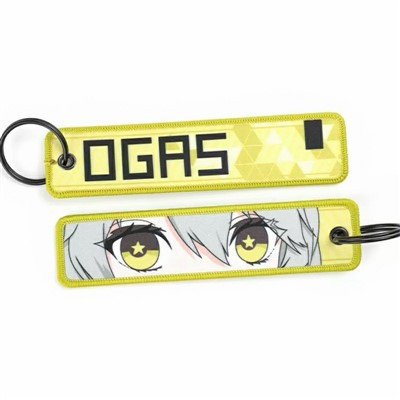
First, let’s start with the basics that skip too often: material choice. What your label is made of directly impacts how long its text stays legible, especially after repeated washes, dry cleaning, and wear. I’ve worked with brands who cut corners on cheap, thin polyester labels only to have text fade after 2-3 washes—those customers never came back. For most casual apparel, including t-shirts, hoodies, and activewear, we recommend 100% woven polyester labels. The tight, uniform weave acts as a smooth canvas for printing, with no loose threads to blur text edges. For higher-end products like wool coats or silk blouses, satin or twill woven labels are ideal: they have a soft hand feel that doesn’t irritate skin, and their smooth surface preserves print clarity far better than rough, porous materials like cotton. The only time we steer away from cotton labels is for items that will see regular laundering; cotton absorbs moisture, leading to ink bleeding and fading over time. That said, if your brand is focused on sustainable, organic apparel, we do offer GOTS-certified organic cotton labels with a pre-treated surface that resists moisture, so text stays sharp through dozens of washes. We tested these for a sustainable outerwear brand last year, and they reported a 40% drop in customer inquiries about unclear care labels after switching.
Next, print method is non-negotiable for legibility. There are three common print types for garment labels, and choosing the wrong one is a fast track to faded text. First, there’s screen printing, which is affordable for large runs but uses thick ink that can crack or peel over time, especially on flexible fabric labels. We only recommend screen printing for short, one-off text (like a small brand logo on a interior neck label), not for detailed care instructions or size text, which needs to stay intact through stretching and washing. Then there’s digital printing, which is great for complex designs and small runs, but the ink sits on top of the label surface and can rub off if not properly cured. For bulk apparel runs, the gold standard is flexographic printing, also known as flexo printing. Flexo uses water-based ink that bonds directly to the label’s material, creating a durable, crisp impression that doesn’t scratch or fade even after 50+ washes. We use UV-cured flexo inks that resist fading from sun exposure too—critical for swimwear and outdoor apparel. Another option we offer for specialty labels is embossing: raised text that’s pressed into the label material, which is completely permanent, no ink needed. This is perfect for premium leather or metal name labels on luxury goods, as the embossed texture creates a tactile, high-end look that never smudges. I still remember a boutique denim brand that came to us frustrated because their leather neck labels had ink that wore off after a few wears; switching to embossed labels solved their problem instantly.
Then there’s the size and placement of your label—small details that make a huge difference. Too many brands cram every piece of required info into a 1-inch neck label, resulting in tiny, cramped text that’s impossible to read without squinting. According to the FTC’s guidelines for apparel labeling, care instructions need to be in a font no smaller than 6 points. That’s not a arbitrary rule; our team measures every label we produce to ensure we hit that mark, even for small size labels. For neck labels, we recommend a minimum width of 1.5 inches for infant and kids’ apparel, and 2 inches for adults’—enough space for 8-point font that’s easy to read. If you need to include more details (like a country of origin, eco-friendly claims, or a care QR code), don’t squeeze it all onto a neck label; add a secondary interior side label. This is a common trick we use for brands that want to keep their neck label clean but still compliant. Placement matters too: a neck label that’s sewn too high on the collar will rub against the wearer’s skin, fade faster, and be harder to read. We always place labels ¼-inch below the collar seam for adult apparel, and ⅛-inch below for kids’ items, which keeps it flat against the fabric, away from friction. For waistband labels on pants or jeans, we sew them on the inside back of the waistband, not the front, so it’s visible when customers look for size info but doesn’t dig into their sides when they sit.
Another often overlooked factor is thread type for woven labels. Woven labels are made by interlacing threads, and the choice of thread color and thickness directly affects legibility. We use 100% polyester threads for all woven labels because they’re colorfast, meaning the dye won’t bleed or fade even after repeated washing. Cheaper woven labels use rayon threads, which are softer but fade after a few washes, leading to muted, blurry text. For text contrast, we recommend using high-contrast color pairs that stand out: black or dark navy text on white or light beige labels, white or cream text on black, navy, or dark grey labels. Avoid light text on light backgrounds, or dark text on dark backgrounds—this is the #1 mistake we see new apparel brands make, and it’s so easy to fix. We once worked with a streetwear brand that sent us a prototype of their labels with grey text on a charcoal background; they couldn’t understand why customers were complaining about unclear size info. We suggested switching to white text on the charcoal, and after that, their inquiries dropped by 70%. For intricate logos or small text elements, we recommend a 2-ply thread, which is thicker and more durable than 1-ply, ensuring tiny details don’t fray or blur over time. We also offer specialty threads, like metallic gold or silver, which add a premium touch to high-end labels but still maintain legibility if paired with a contrasting background.
Durability testing is a step many brands skip, but it’s critical to ensure your labels stay legible through the full product lifecycle. We have an in-house testing lab that mimics real-world wear and tear for every label we produce. For each batch, we run a wash test: we put the labels in a standard washing machine with detergent, warm water, and fabric softener, run 50 cycles, then inspect for fading, cracking, or smudging. We also test for rub resistance by rubbing a white cloth against the label 100 times, checking for ink transfer. For outdoor apparel, we add a UV test, exposing labels to direct sunlight for 100 hours to ensure they don’t fade from sun exposure. For kids’ apparel, we run a tug test, pulling the label with 10 pounds of force to make sure it doesn’t tear off. We share the test results with every client, so they can be confident their labels will hold up. A few years ago, a swimwear brand came to us after their labels were fading after just 10 washes; switching to our UV-cured flexo labels, which passed 50 wash tests with no fading, fixed their issue. They later told us that their return rate for unclear care instructions dropped to almost zero.
Regulatory compliance is also a key part of legibility that brands can’t ignore. In most countries, including the US, EU, and Canada, garment labels must have clear, permanent text that can be read without magnification, and they need to include specific info: fiber content, country of origin, care instructions, and size. The FTC in the US specifically states that labels can’t have text that is “illegible, deceptive, or misleading,” which means a smudged label that’s hard to read can lead to fines or product recalls. We make sure every label we produce meets all local and international regulations, so our clients don’t have to worry about non-compliance. For brands selling in the EU, we also ensure labels follow REACH regulations, which restrict harmful chemicals in inks and materials. All our inks and threads are REACH-compliant, so you can sell your products in the EU without any issues.
Finally, customization to your brand’s identity doesn’t have to mean sacrificing legibility. Many brands want labels that reflect their aesthetic, like vintage textures or hand-drawn logos, but still need text that’s easy to read. We offer a range of custom options that balance style and clarity. For example, if you want a vintage, slightly worn look for your labels, we can print text with a slightly distressed finish, not faded ink, so the text remains crisp. If you use a hand-drawn font, we adjust the letter spacing to ensure no letters run together; tight letter spacing is another common cause of unclear labels. Our design team works with every client to review label prototypes before production, so they can test the text size, contrast, and style before we print the full batch. A sustainable activewear brand we worked with wanted a label with a natural, earthy look, so we used a light tan organic cotton label with dark olive text, high contrast that’s easy to read, even with the natural tone of the material.

At the end of the day, a legible label is one that works for both your brand and your customers. It’s not just about avoiding complaints—it’s about building trust. When a customer can clearly read your size and care instructions, they’re more likely to buy your product, and more likely to come back for more. If you’re launching a new line, reworking your label strategy, or want to ensure your current labels are as legible as possible, we’re here to help. Our team can work with you to design, test, and produce custom garment labels that meet your needs, your brand’s aesthetic, and all regulatory requirements. To discuss your project and get a custom quote, reach out to our team today.
Beaded Patches References
- Federal Trade Commission. (2022). Labeling and Advertising of Apparel: A Guide for Industry.
- European Commission. (2021). Textile Labeling Regulation (EU) 1007/2011.
- International Organization for Standardization. (2020). Textile Care Labeling Standards (ISO 3758:2012).
- American Association of Textile Chemists and Colorists. (2019). Test Methods for Colorfastness of Textiles.
- Global Organic Textile Standard. (2022). Labeling Requirements for Organic Garments.
Kaishen Garment Accessory Co., Ltd.
As one of the most professional garment labels manufacturers and suppliers in China, we’re featured by quality products and low price. Please rest assured to wholesale bulk cheap garment labels from our factory. Contact us for customized service and free sample.
Address: No.1, Yangguang Road, Shanwu Village, Shijie Town, Dongguan City, Guangdong Province
E-mail: patch@shiujan.com
WebSite: https://www.kspatch.com/
